
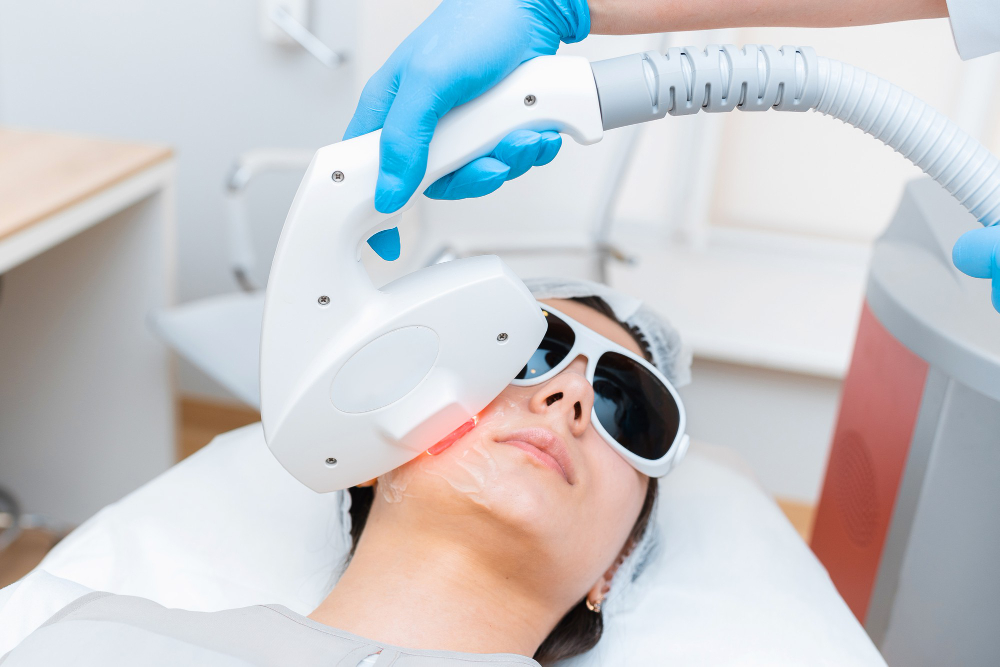
What Is Laser Skin Resurfacing?
Laser skin resurfacing is a popular treatment for smoother, younger-looking skin. It uses focused light beams to remove damaged skin layers. As a result, new skin grows in its place. Many people choose this laser treatment for skin rejuvenation to reduce wrinkles, scars, and sun damage. Because it is less invasive than surgery, recovery is often quicker.
Benefits of Laser Skin Resurfacing
There are many reasons people choose laser skin resurfacing. For example, it can:
Additionally, results can last for years with proper care. Many people see smoother, brighter skin after just one session.
Who Is a Good Candidate?
Not everyone is a good fit for laser skin resurfacing. However, you may be a good candidate if you:
On the other hand, people with very dark skin or certain medical issues may need other options. Always talk to a board-certified dermatologist before deciding.
How the Procedure Works
First, your doctor will clean your skin and may apply a numbing cream. Sometimes, a local anesthetic is used for comfort. Next, the doctor moves a special laser device over the treatment area. The laser removes thin layers of skin with great care. Because the laser is precise, it targets only the damaged areas. The procedure usually takes 30 minutes to two hours, depending on the size of the area.
Preparation Steps
Proper preparation helps ensure the best results. Before your laser skin resurfacing procedure, your doctor may ask you to:
Because preparation is important, always follow your doctor’s instructions closely.
Recovery and Aftercare
After the procedure, your skin may feel like it has a mild sunburn. Redness, swelling, and peeling are common. However, these effects usually fade within one to two weeks. To help your skin heal, you should:
In addition, avoid picking at peeling skin. Doing so can prevent scars and speed up healing. For more laser resurfacing recovery tips, ask your dermatologist.
Possible Risks and Side Effects
While laser skin resurfacing is safe for most people, there are some risks. For example, you may notice:
Because risks are higher for some people, always discuss your health history with your doctor. The American Academy of Dermatology and other experts recommend choosing a trained professional for this procedure.
Expected Results and Longevity
Most people see smoother, clearer skin after healing. Results can last for several years, especially with good skin care. However, sun exposure and aging can affect how long results last. For best results, use sunscreen and follow your dermatologist’s advice.
Frequently Asked Questions
Is laser skin resurfacing painful?
Most people feel mild discomfort, but numbing creams help reduce pain. After the procedure, your skin may feel warm or tight.
How many sessions will I need?
Some people see results after one session. Others may need more, depending on their skin concerns.
When can I return to work?
Many people return to work in one to two weeks. However, healing time can vary based on the treatment depth.
Are results permanent?
Results can last for years, but your skin will continue to age. Good skin care helps maintain your results longer.
Conclusion
Laser skin resurfacing can help you achieve smoother, younger-looking skin. Since every individual is unique, consult a board-certified dermatologist at Aira Skin & Derma Clinic to see if laser skin resurfacing is the right option for you.