
Many people enjoy spending time in the sun, but it is important to know the difference between tanning and sunburn. Both tanning and sunburn happen after sun exposure, but they affect your skin in different ways. In this blog, we will explain tanning vs sunburn: what’s the difference, their causes, symptoms, and how to protect your skin.
What is Tanning?
Tanning is when your skin gets darker after being in the sun. This happens because your skin makes more melanin, which is a pigment that gives skin its color. Melanin helps protect your skin from some sun damage. However, even a tan means your skin has been harmed by UV rays. For example, many people think a tan looks healthy, but it is actually a sign of skin damage.
What is Sunburn?
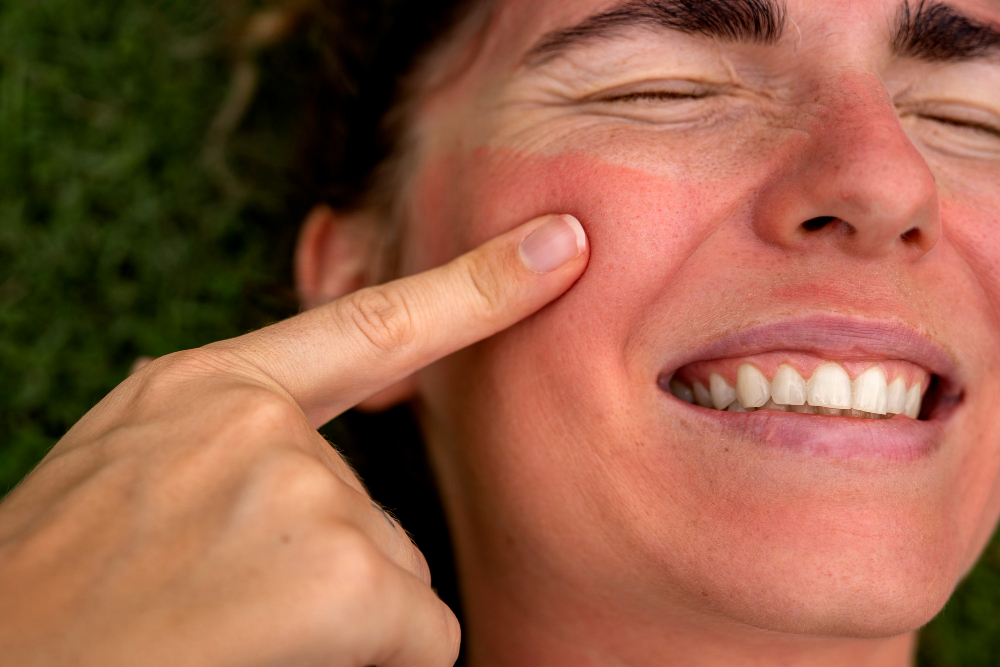
Sunburn is when your skin turns red, feels hot, and sometimes hurts after too much sun. This happens when UV rays damage the top layer of your skin. Unlike tanning, sunburn is a clear sign that your skin has been injured. In some cases, sunburn can cause blisters or peeling. Sunburn can happen quickly, especially if you have fair skin or do not use sunscreen.
Key Differences Between Tanning and Sunburn
Causes and Risk Factors
Both tanning and sunburn are caused by ultraviolet (UV) rays from the sun or tanning beds. However, several factors can increase your risk:
For instance, children and people with lighter skin burn more easily. But anyone can get sunburned or tanned.
Symptoms and Signs
It is important to know the signs of tanning and sunburn:
In addition, sunburn can make your skin feel tight or itchy. Sometimes, you may feel tired or sick if the burn is bad.
Short-term and Long-term Effects
Both tanning and sunburn have short-term and long-term effects on your skin health.
Over time, even mild tanning can damage your skin cells. Therefore, it is best to protect your skin every day.
Prevention Tips
Protecting your skin from UV rays is the best way to prevent tanning and sunburn. Here are some simple tips:
Additionally, teach children about sun safety early. This helps build good habits for life.
When to Seek Medical Help
Most mild sunburns heal at home. However, you should see a doctor if you have:
Furthermore, if you notice new or changing moles, see a dermatologist. Early care can prevent serious problems.
In summary, knowing the difference between tanning and sunburn helps you make safer choices. Protect your skin from too much sun and enjoy the outdoors safely. Consult a dermatologist at Aira Skin & Derma Clinic | for personalized advice on sun protection and skin health.