
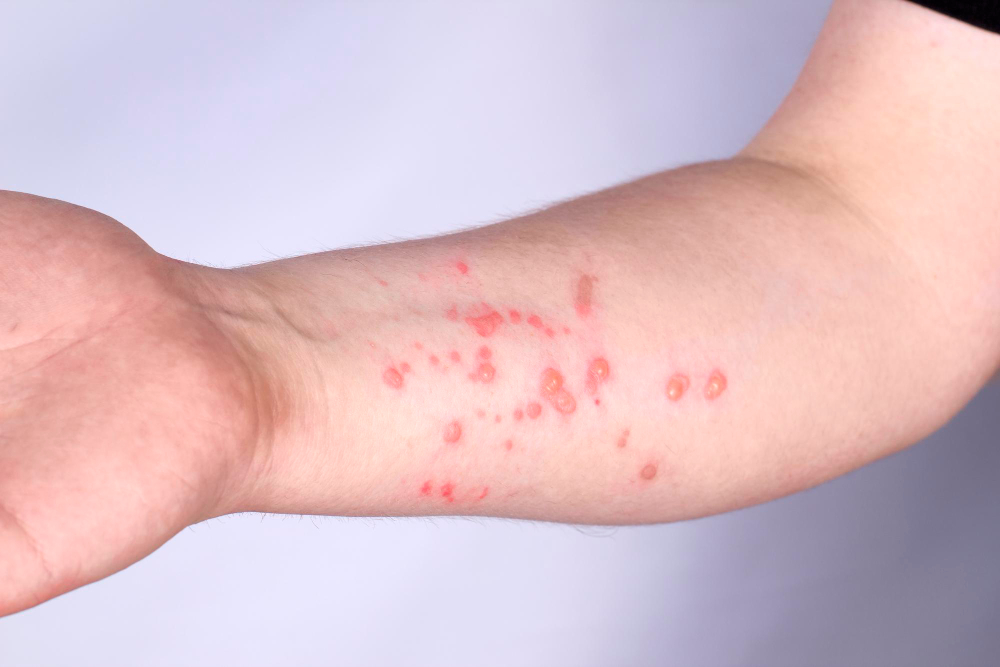
Scabies is a common skin condition caused by tiny mites called Sarcoptes scabiei. Although it affects millions worldwide, many people do not realize how easily scabies spreads. Because its symptoms can look like other skin problems, scabies is often misdiagnosed. In this blog, you will learn how scabies spreads, why it is sometimes mistaken for other conditions, and what you can do to protect yourself and your family.
What Is Scabies?
Scabies is a contagious skin condition caused by the Sarcoptes scabiei mite. These mites burrow into the top layer of skin and lay eggs. As a result, the skin becomes itchy and irritated. Anyone can get scabies, but it is more common in crowded places like schools, nursing homes, and shelters. Children, older adults, and people with weak immune systems are at higher risk.
How Scabies Spreads
Scabies transmission happens mainly through close, skin-to-skin contact. However, it can also spread by sharing personal items. Because the mites cannot jump or fly, direct contact is usually needed. Still, scabies can spread quickly in families or groups.
Therefore, scabies is a highly contagious skin condition. Quick treatment helps stop the spread.
Why Scabies Is Often Misdiagnosed
Scabies symptoms can look like other skin problems. For example, the itchy rash may seem like eczema or an allergic reaction. Because of this, doctors sometimes mistake scabies for other conditions. Additionally, the rash can appear in different ways on each person. Sometimes, people do not show symptoms for weeks after catching scabies. As a result, it is easy to confuse scabies with other itchy skin issues.
Furthermore, over-the-counter creams for itching may not help scabies. If the real cause is not found, the problem can last longer and spread to others.
Recognizing the Symptoms of Scabies
It is important to know the signs of scabies. Early recognition helps prevent spreading. Common symptoms include:
However, symptoms may look different in babies, older adults, or people with weak immune systems.
Diagnosis and When to See a Doctor
Doctors diagnose scabies by looking at the rash and asking about symptoms. Sometimes, they may scrape a small piece of skin to check for mites under a microscope. If you have a rash that does not go away, or if you have been in close contact with someone who has scabies, see a healthcare professional. Early diagnosis helps prevent spreading scabies to others.
Prevention and Reducing the Risk
There are simple steps you can take to prevent scabies:
By following these tips, you can lower your risk of scabies transmission.
Conclusion
In summary, scabies is a common and contagious skin condition. It spreads through close contact and shared items. Because its symptoms can look like other skin problems, scabies is often misdiagnosed. Early recognition and treatment are important. Consult a dermatologist at Aira Skin & Derma Clinic for personalized advice if you suspect scabies.