
Introduction
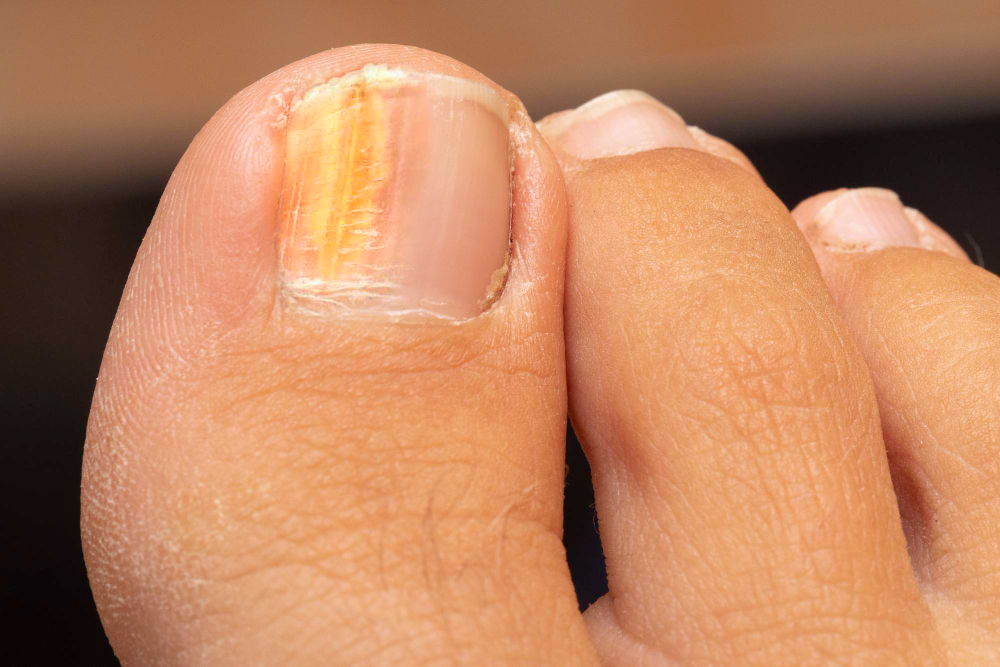
Monsoon foot care is very important during the rainy season. Wet and humid weather can lead to fungal nail infections. These infections make nails look yellow, thick, or brittle. Because rainwater and puddles are common, your feet are at higher risk. In tropical and humid regions, the risk is even greater. Therefore, taking steps to prevent fungal nail infections is key for healthy feet.
Symptoms of Fungal Nail Infections
Fungal nail infections can show up in many ways. Early detection helps prevent the spread. Watch for these signs:
If you notice any of these symptoms, take action quickly. Early care can stop the infection from getting worse.
Causes and Risk Factors During Monsoon
During the monsoon, your feet are often wet. Fungi love warm and moist places. As a result, the rainy season increases your risk. Common causes and risk factors include:
Because these factors are common in the rainy season, extra care is needed.
Diagnosis and When to See a Doctor
Sometimes, fungal nail infections look like other nail problems. If you see changes in your nails that do not improve, it is wise to see a doctor. A dermatologist can check your nails and may take a small sample for testing. Early diagnosis helps prevent the infection from spreading. If you have diabetes or poor blood flow, seek help sooner. Quick action can protect your feet from serious problems.
Effective Prevention Tips for Monsoon Foot Care
Good monsoon foot care can help prevent fungal nail infections. Try these simple tips:
Because prevention is easier than treatment, follow these steps every day.
Home Care and Lifestyle Guidance
At home, you can take extra steps for monsoon nail hygiene. For example, always dry the spaces between your toes. If your shoes get wet, stuff them with newspaper to absorb moisture. In addition, avoid walking barefoot in public places. Choose breathable footwear to reduce sweat. If you notice any nail changes, start care early. Simple habits can make a big difference in foot infection prevention in rainy season.
Treatment Options
If you get a fungal nail infection, do not worry. There are safe treatments available. Doctors may suggest antifungal creams or oral medicines. Sometimes, you may need to use medicated nail polish. In rare cases, a doctor may remove part of the nail. Most infections clear up with regular treatment. However, always follow your doctor’s advice for best results.
Conclusion and Call-to-Action
Monsoon foot care is important for everyone, especially in humid or tropical areas. Because fungal nail infections are common in the rainy season, taking simple steps can protect your feet. If you notice any symptoms, do not delay. Consult a dermatologist at Aira Skin & Derma Clinic for personalized foot care advice during the monsoon.