
Introduction
Hives are a common skin problem that can appear suddenly. The symptoms of hives often include red, itchy bumps on the skin. Because hives can look like other rashes, it is important to know what to watch for. Early recognition helps you manage symptoms and seek help if needed. In this blog, you will learn how to recognize hives, spot signs of hives on skin, and understand when to get medical care.
What Are Hives?
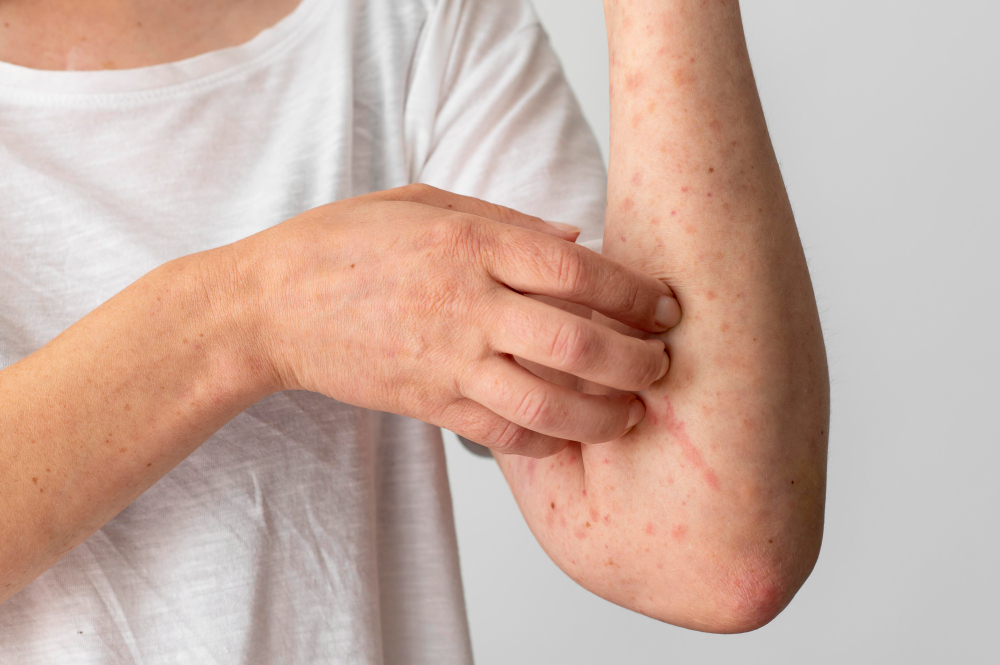
Hives, also called urticaria, are raised, red, or skin-colored bumps. They can appear anywhere on the body. Usually, hives are itchy and may change shape or move around. Sometimes, they join together to form larger patches. While most hives go away on their own, some may last longer or come back. According to the Centers for Disease Control and Prevention (CDC), hives are a common allergic reaction, but they can have other causes too.
Common Symptoms of Hives
Recognizing the symptoms of hives is important for quick relief. Here are the most common signs of hives on skin:
Sometimes, hives can also cause swelling of the lips, eyelids, or throat. This is called angioedema and needs quick medical attention.
How to Identify Hives: Visual and Sensory Clues
It is helpful to know how to recognize hives. For example, hives often appear as small, round, or oval bumps. They may be red, pink, or skin-colored. Unlike other rashes, hives can move or fade quickly. If you press on a hive, it may turn white in the center. This is called blanching. Also, hives are usually very itchy. Sometimes, you may feel a burning or stinging feeling. If you notice these hives rash symptoms, you are likely dealing with hives.
When to Seek Medical Attention
Most hives are mild and go away on their own. However, there are times when you should seek help. For instance, if you have trouble breathing, swelling of the face or throat, or feel dizzy, call for emergency help right away. These can be signs of a serious allergic reaction. Additionally, if your hives last more than a few days, keep coming back, or are very painful, you should see a doctor. According to the World Health Organization (WHO), getting help early can prevent complications.
Tips for Managing Hives Symptoms at Home
While you wait to see a doctor, you can try some simple steps at home. For example, wear loose clothing to avoid skin irritation. You can also use a cool compress to ease itching. In addition, avoid scratching, as this can make symptoms worse. If you know what caused your hives, try to stay away from it. However, always talk to a healthcare provider before taking any medicine.
If you notice symptoms of hives, consult a healthcare professional at Aira Skin & Derma Clinic for personalized advice. Our dermatology experts provide effective treatment options to help manage and relieve the symptoms of hives